

Introduction
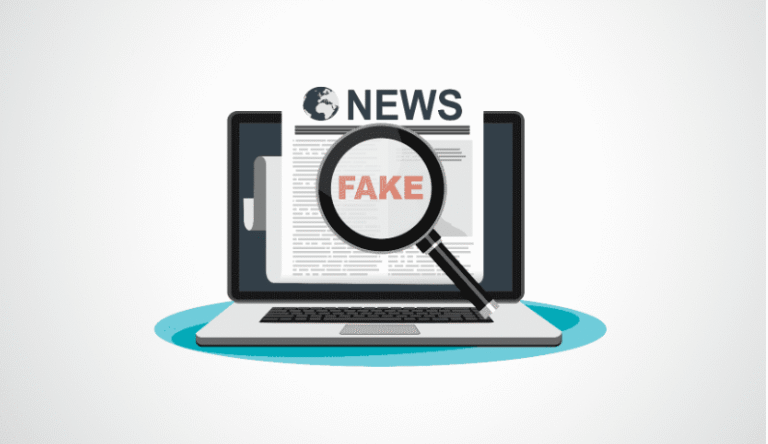
In the age of digital media, fake news has become one of the most concerning challenges to modern journalism. What was once confined to the fringes of media, has now seeped into mainstream discourse, leading to significant consequences for public trust in the media. Fake news refers to misinformation and false information presented as legitimate news, often for purposes such as political gain, advertising, or entertainment. This phenomenon is creating a ripple effect, making it increasingly difficult for individuals to discern truth from lies. As a result, public confidence in media outlets has been severely damaged. In this article, we will explore how fake news is eroding trust in the media and what can be done to reverse this trend.
How Fake News Is Impacting Public Trust in the Media
Understanding Fake News and Its Rise
Fake news is not a new concept, but it has become more widespread with the advent of the internet and social media platforms. Initially, fake news was often confined to satirical websites or conspiracy theorists’ blogs. However, in the last decade, its scope has expanded dramatically, with fake news often making headlines on major news platforms and becoming part of mainstream conversations.
The spread of fake news has been facilitated by algorithms on social media that promote content based on engagement rather than accuracy. This environment incentivizes the production of sensational or controversial headlines that appeal to emotions, making it difficult to distinguish fact from fiction. Fake news can take many forms, including completely fabricated stories, misleading headlines, or manipulated images and videos. The problem worsens as many consumers are increasingly turning to digital sources for their news, which are not always reliable.
See also: The Role of Social Media in Shaping Today’s News Landscape
The Role of Social Media in Spreading Fake News
Social media has played a pivotal role in the spread of fake news. Platforms like Facebook, Twitter, and YouTube have millions of users, making them powerful tools for sharing content. Unfortunately, these platforms are not always careful in moderating content, which allows fake news to proliferate. Due to the viral nature of social media, fake news stories can spread rapidly, reaching thousands or even millions of people before they are debunked.
One of the biggest challenges is that social media users are more likely to trust information that confirms their own beliefs, a phenomenon known as “confirmation bias.” This means that users who are exposed to fake news are less likely to question it. Additionally, social media’s algorithms prioritize sensational and emotional content over factual reporting, further promoting the spread of misinformation.
The Impact on Public Trust
The impact of fake news on public trust in the media is profound. Historically, the media played a crucial role in informing the public and holding those in power accountable. However, as fake news has become more pervasive, trust in traditional media outlets has steadily declined. A study by the Reuters Institute for the Study of Journalism in 2020 showed that trust in the media had fallen dramatically, with a growing number of people skeptical of the information they receive.
Fake news undermines trust by blurring the lines between credible journalism and misinformation. People are more likely to question the veracity of legitimate news reports when they are exposed to fake or misleading stories regularly. This creates an atmosphere of distrust where the public questions every news source, whether it’s a reputable outlet or not. This widespread skepticism has a direct effect on the credibility of the media industry as a whole.
Factors Contributing to the Spread of Fake News
Several factors contribute to the prevalence of fake news in today’s society:
- Political Polarization: The deepening divide between political ideologies has made people more susceptible to accepting biased or false information that aligns with their views.
- Economic Incentives: Fake news often generates higher engagement than factual reporting, making it more profitable for individuals and organizations to spread misinformation.
- Lack of Media Literacy: Many consumers of news lack the skills to differentiate between reliable and unreliable sources. Without the tools to critically assess news, they are more likely to be misled.
- Erosion of Traditional Journalism: As traditional news outlets decline, sensationalist websites and bloggers fill the void, spreading unchecked misinformation.
Consequences of Fake News on Journalism
Fake news is not just harmful to the public; it also damages journalism as a profession. Journalists have long been trusted to deliver accurate, balanced, and well-researched information. However, the rise of fake news has led to a greater burden on journalists to prove their credibility. Every report, fact, and statistic now comes under intense scrutiny, as people are more likely to distrust even the most reliable news outlets.
Moreover, the economic challenges faced by many media organizations, coupled with the pressure to attract readers in a crowded online space, can lead some outlets to prioritize sensational stories over in-depth investigative journalism. This shift in priorities has weakened the overall quality of journalism, making it more susceptible to misinformation.
Undermining Democracy
Fake news has a particularly insidious impact on democracy. In democratic societies, access to truthful information is essential for voters to make informed decisions. However, fake news has been used to manipulate public opinion, sway elections, and even incite violence. The infamous example of the 2016 U.S. presidential election, where false stories and hoaxes circulated widely on social media, is just one instance where misinformation had a measurable impact on the political process.
When fake news becomes part of the political conversation, it can distort public perceptions of candidates, policies, and even global events. This undermines the democratic process by making it harder for citizens to make choices based on facts.
Combating Fake News: Solutions to Restore Trust
Restoring trust in the media will require concerted efforts from both media organizations and the public. Some of the key solutions include:
- Media Literacy Programs: Teaching individuals how to identify fake news and critically evaluate sources is one of the most effective ways to reduce the impact of misinformation. Schools, universities, and community organizations can play a crucial role in this effort.
- Fact-Checking Initiatives: Fact-checking organizations, such as Snopes and FactCheck.org, have become increasingly important in combating fake news. By providing the public with accessible resources to verify information, these groups help to reduce the spread of misinformation.
- Social Media Regulation: Governments and social media platforms must work together to create policies that prevent the spread of fake news. This may involve increased accountability for platforms, stricter content moderation, and transparency about how information is shared.
The Role of Fact-Checking Organizations
Fact-checking organizations have emerged as a critical part of the fight against fake news. These organizations rigorously investigate claims made by politicians, public figures, and media outlets, ensuring that only accurate information reaches the public. Many news organizations now collaborate with fact-checkers to verify claims before publishing them.
Conclusion: The Path Forward
Fake news has undeniably had a significant impact on public trust in the media. However, it is possible to reverse this trend. Through increased media literacy, stronger fact-checking, and greater accountability on social media platforms, the public can regain faith in the information they receive. The future of journalism hinges on the industry’s ability to restore credibility and prioritize truth over sensationalism. Only then can trust in the media be rebuilt, allowing the public to make informed decisions once again.
FAQs
- What is the definition of fake news?
Fake news refers to false or misleading information that is presented as legitimate news, often with the intent to deceive, manipulate, or entertain. - How does fake news spread on social media?
Social media platforms amplify fake news by using algorithms that prioritize sensational or emotional content, leading to its viral spread among users. - What impact does fake news have on democracy?
Fake news can distort public opinion, manipulate voters, and influence elections, ultimately undermining the democratic process by spreading misinformation. - What are the consequences of fake news on journalism?
Fake news damages the credibility of legitimate journalism, making it harder for the public to trust reliable news sources. - How can media literacy help combat fake news?
Media literacy programs teach individuals how to identify credible sources and critically evaluate information, reducing the spread and impact of fake news. - What role do fact-checking organizations play in the fight against fake news?
Fact-checking organizations investigate and verify claims made by public figures and news outlets, providing the public with accurate information and helping to combat misinformation.